
Story By Coach Bjorn Jansen
Training for the outdoor season marks a clear shift in both environment and intent. After months of indoor competition, athletes often arrive outdoors carrying fatigue, tightness, or habits shaped by short tracks and repeated racing. Before increasing volume or intensity, the priority is to reset the body and restore movement quality so training can progress smoothly toward the outdoor season and championships.
At SpeedPro, this transition is not about starting again. It is about reconnecting with how the athlete moves, recovers, and responds once training moves outdoors. A successful reset sets the tone for everything that follows.
Why a Proper Reset Matters as the Season Moves Outdoors
The outdoor season places different demands on the body compared to indoor racing. Longer straights, wider bends, and greater exposure to volume require improved rhythm, control, and durability. Without a reset, athletes often carry residual fatigue, which limits their ability to adapt.
This phase allows the nervous system to settle after a dense indoor competition period. At the same time, it restores technical efficiency through relaxed running, controlled drills, and gradual exposure to outdoor surfaces. Rather than forcing fitness early, the aim is to create space for adaptation.
Just as importantly, this reset helps athletes step away from constant performance pressure. Confidence begins to rebuild through consistency rather than weekly results.
Training for the Outdoor Season Starts With Movement Quality
Training for the outdoor season should initially focus on how the athlete moves, not how fast they run. After indoor demands, small inefficiencies often appear in posture, foot contact, and rhythm. Addressing these early helps prevent issues later in the year.
Early sessions typically include relaxed aerobic running, light strides, and technical drills that reinforce coordination. Strength work supports posture and stability rather than maximal output. Each element plays a role in restoring balance.
As movement quality improves, athletes feel smoother and more connected, creating a platform for safely increasing training load as speed, endurance, and competition demands rise.
Re-establishing Rhythm and Structure Outdoors
Indoor seasons often revolve around race weekends and recovery windows. Once outdoors, athletes benefit from returning to a more predictable weekly structure. Training becomes proactive again rather than reactive.
Early outdoor weeks focus on consistent session timing, controlled intensity, and repeatable routines, supporting recovery while gradually increasing workload. Over time, rhythm endurance returns without forcing the process.
By restoring structure early, athletes avoid chasing fitness later in the season. This approach is especially important for those targeting championship performances.
Training for the Outdoor Season Builds Confidence Without Rushing Intensity
Training for the outdoor season should leave athletes feeling better at the end of the week than at the start. Confidence comes from completing sessions well, not from pushing intensity too soon.
As consistency improves, belief grows naturally. Athletes begin to trust their preparation and feel ready for the next phase of training, rather than rushed into it.
Protecting freshness early allows sharper work to be introduced later with intent rather than urgency.
The Finish Line
Training for the outdoor season is not about how quickly intensity returns. It is about how effectively the body and mind reset after the indoor season. When athletes prioritise movement quality, rhythm, and structure, they place themselves in a stronger position as the season develops.
At SpeedPro in Wimbledon, this reset phase is a deliberate part of our coaching philosophy. By respecting the transition into outdoor training, athletes build confidence, durability, and readiness for the demands of championship racing. For those looking to experience this approach, our free trial sessions provide a practical starting point.
Next in the Outdoor Training Series
-
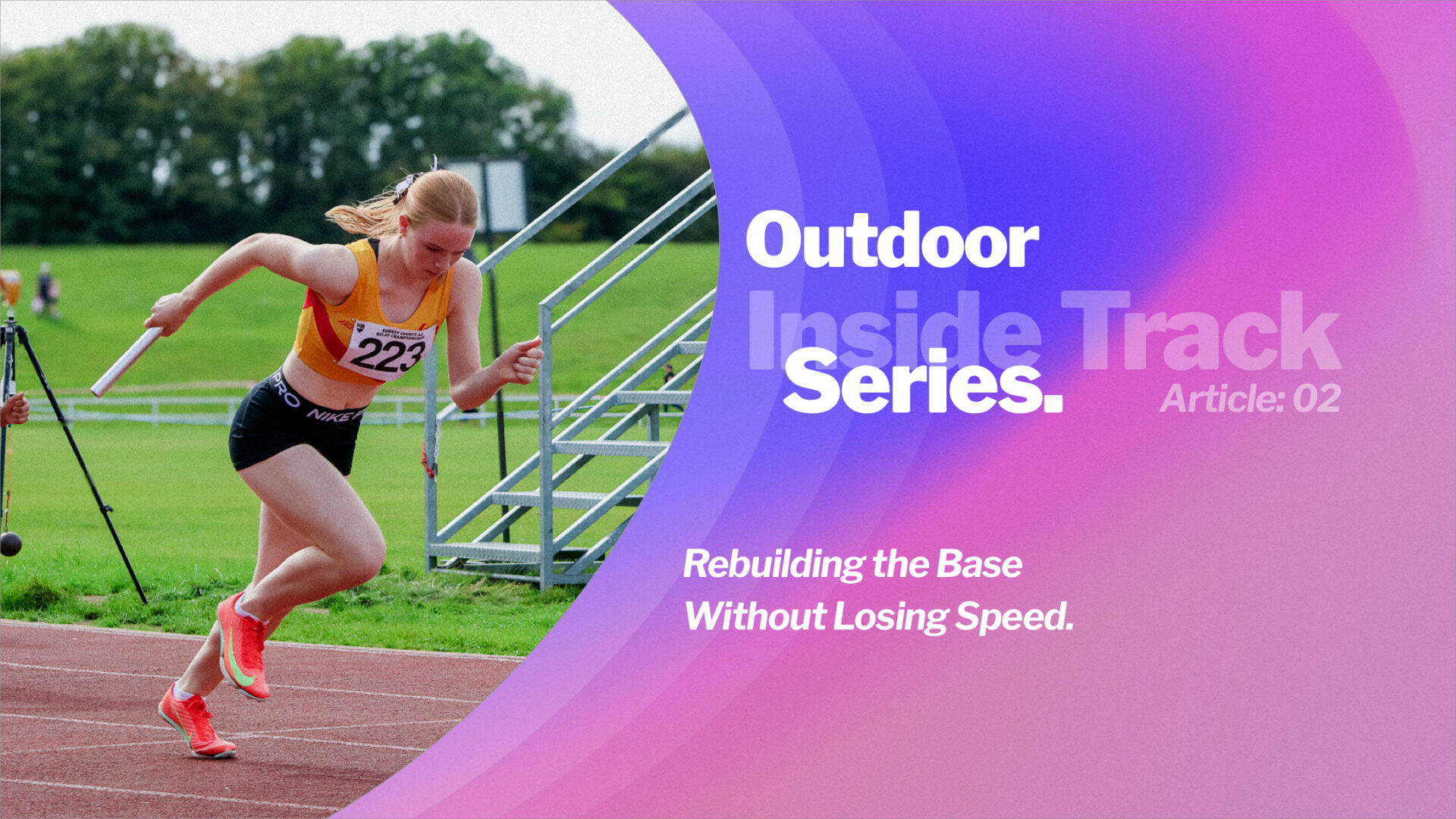
Rebuilding the Base Without Losing Speed
Training for the outdoor season often raises concerns about losing speed as volume increases. This article explains how athletes can rebuild their aerobic base outdoors while protecting speed and sharpening race readiness.