Story By Coach Bjorn Jansen
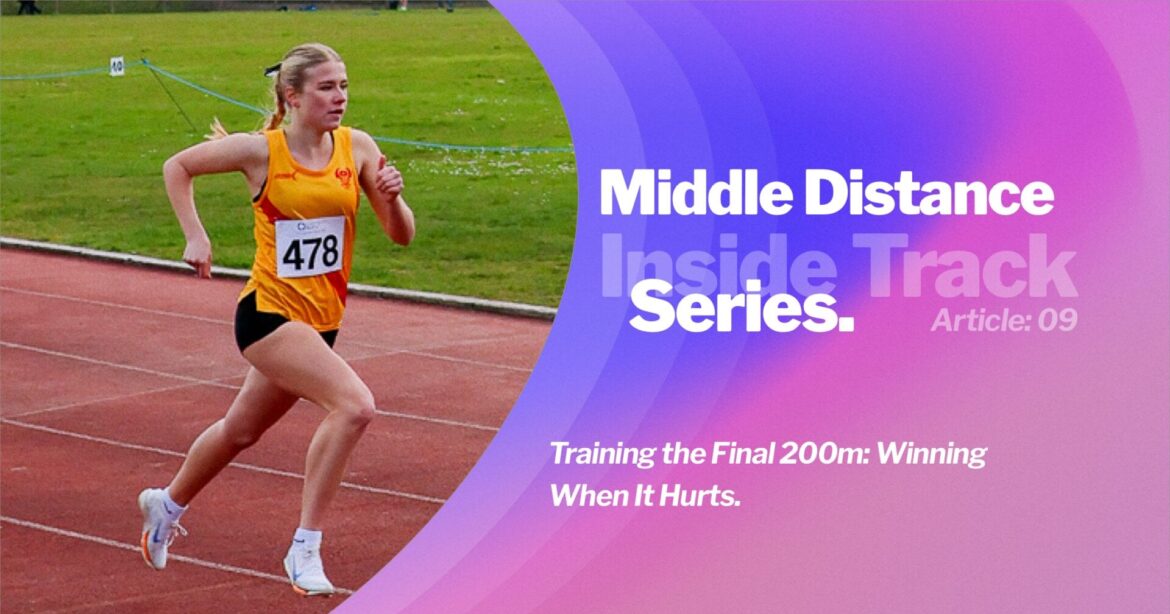
Why Training the Final 200m Is Non-Negotiable.
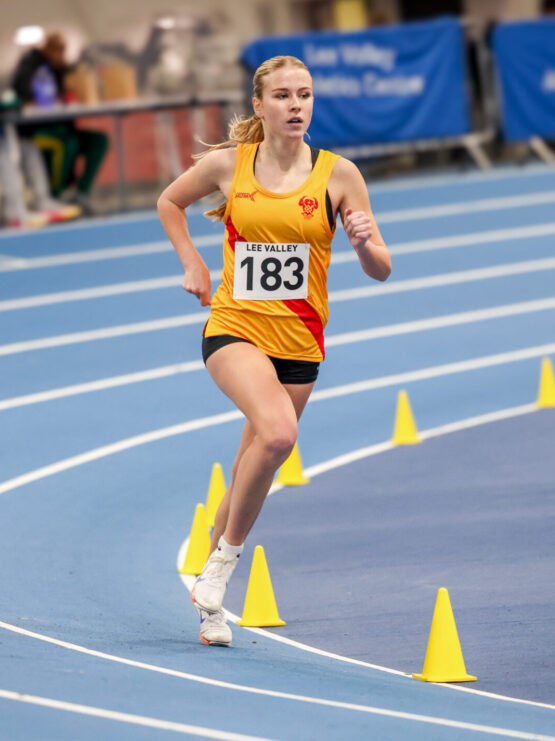
Every 800m and 1500m athlete knows the feeling. The final straight arrives, and the legs are heavy, the lungs are burning, and maintaining form feels nearly impossible. What separates athletes who finish with conviction from those who survive the final 200 metres is almost always preparation. Training the final 200m specifically, rather than hoping fitness alone will be enough, is one of the highest-value investments a middle-distance athlete can make.
The final 200 metres of a championship race is where everything compounds. Accumulated fatigue from earlier laps, the tactical pressure of racing rivals, and the physical demands of sustaining pace all converge at once. Athletes who have trained for this specific moment are far better placed to meet it.
What Training the Final 200m Actually Involves
Training the final 200m is not simply about running repeat 200s at the end of a session. It requires developing three distinct qualities: speed, endurance, and mechanical resilience under fatigue, as well as mental composure when the effort becomes severe.
Speed endurance ensures the athlete has the physiological capacity to maintain close-to-maximum speed even when the body is depleted. Sessions such as race-pace 200s following longer aerobic work, or broken race-pace runs that finish at full effort, develop this quality directly.
Mechanical resilience means training the body to maintain good form when tired. Athletes who hold their posture, keep their arm drive controlled, and avoid excessive tension will lose far less speed in the closing stages than those whose form collapses.
Composure is the mental component. Training the final 200m also means learning to stay present and focused when the internal signals to slow down are at their loudest.
Sessions That Build a Stronger Final Phase
SpeedPro coaches use several session types specifically to develop training for their athletes' final 200m. One effective approach involves running at a controlled pace for the first two laps of a three-lap block, then transitioning to race effort for the closing 200 metres. The athlete practises arriving at the finishing phase in a state of genuine fatigue, then executing cleanly through it.
Another approach uses tempo runs that finish with a hard 200m effort, training the body to access speed even when the aerobic system is under significant load. Over time, these sessions build the specific conditioning that makes a strong finish more reliable.
Additionally, practising race-specific mental rehearsal, visualising the final straight during sessions, helps athletes prepare for the psychological demands of training the final 200m in competition.
Composure Under Fatigue
One of the most underappreciated aspects of training the final 200m is teaching athletes to remain composed when everything feels difficult. The instinct to tighten up, drop the arms, and shorten the stride under fatigue is powerful. Athletes who can override that instinct through trained habit gain a decisive advantage.
Breathing control in the closing stages matters too. Athletes who grip tightly, hold their breath, or allow anxiety to take over will compound their physical fatigue with unnecessary muscular tension. Relaxation under effort is a skill, and like all skills, it improves with deliberate practice.
Making the Final 200m a Strength
For many middle-distance athletes, the final 200 metres is a weakness they accept rather than address. Training the final 200m directly and consistently transforms it into a genuine competitive strength. Over a full season, the cumulative effect of this work is visible in race results, particularly at championships where margins are tight, and the ability to finish hard is decisive.
Talk to SpeedPro about how we structure final-phase training within our broader middle-distance coaching programmes, and discover how targeted preparation can transform your championship performances.
Related Articles
- Sharpening Speed Without Accumulating Fatigue
- Turning Training into Racing Confidence
- Pacing Errors That Cost 800m and 1500m Races
- Fine-Tuning Form: Front-side Mechanics for Maximum Speed
- 1500m Development: Why Speed Still Wins Championships
Next in the Middle Distance Training Series
-
Peaking at the Right Time for Major Championships
Peaking for championships is a skill in itself. Discover how structured periodisation and smart training progression help 800m and 1500m athletes reach their peak.