Story By Athlete - Neva Jansen
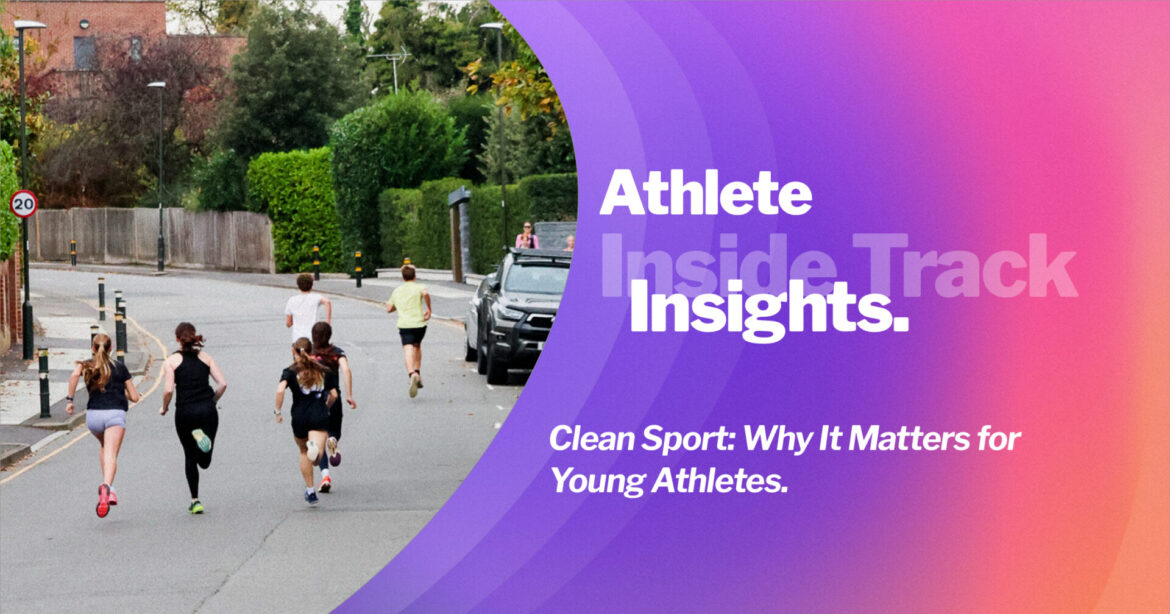
Clean Sport is something every young athlete needs to understand as they progress through athletics. As athletes grow older, expectations increase. Training loads increase, competition intensifies, and support teams expand. With this added pressure, choices become more critical than ever.
During my YTP course, we learned about banned substances, the risks involved, and how athletes can protect themselves. It became clear how essential Clean Sport education is, especially for young athletes who may not realise the long-term consequences of poor decisions. That experience made me want to share what I learned.
Clean Sport and Banned Substances Explained
Banned substances include performance-enhancing drugs, often referred to as PEDs. These substances help to improve performance, but they come with serious health risks. Common examples in athletics include anabolic steroids, which increase muscle mass and strength but can cause acne, aggression, fertility issues, and hair loss.
Another banned substance is EPO, which increases red blood cell count and improves oxygen delivery. However, this can thicken the blood and raise the risk of heart disease and strokes. Growth hormones are also banned under Clean Sport rules, as they speed up recovery but can increase the risk of diabetes and cardiovascular issues.
Blood doping is another practice that violates Clean Sport principles. It increases red blood cell count but can lead to blood clots and serious health complications. While these substances may seem appealing for short-term gains, the risks often outweigh any performance benefits.
Why Clean Sport Rules Exist
Clean Sport rules exist for two main reasons. The first is athlete health. Many banned substances can cause long-term damage and, in extreme cases, be life-threatening. Protecting athletes is at the heart of Clean Sport policies.
The second reason is fairness. Clean Sport ensures a level playing field. Using banned substances gives athletes an unfair advantage and undermines the integrity of competition. Sport should reward hard work, commitment, and consistency, not shortcuts.
Consequences for Athletes
As athletes move into national and international competitions, testing becomes routine. Drug testing can happen in or out of competition, and violations can lead to lengthy bans, disqualification, and loss of previous results.
Beyond bans, ignoring guidelines can damage an athlete's reputation and confidence. Health consequences can last far longer than any suspension, making education and awareness essential.
How Athletes Can Protect Our Sport
Athletes often take supplements or medication for illness, which is why Clean Sport awareness matters. Some supplements may contain banned substances without clear labelling. Using Informed Sport allows athletes to check supplements that have been batch tested for safety.
While this does not remove all risk, it supports better decisions. Understanding what goes into your body is part of being a responsible athlete.
Final Thoughts
Clean Sport is about protecting your health, your future, and the integrity of athletics. Learning early helps athletes make informed choices and avoid mistakes that could end a career before it truly begins.