
FREE Trial Sessions.
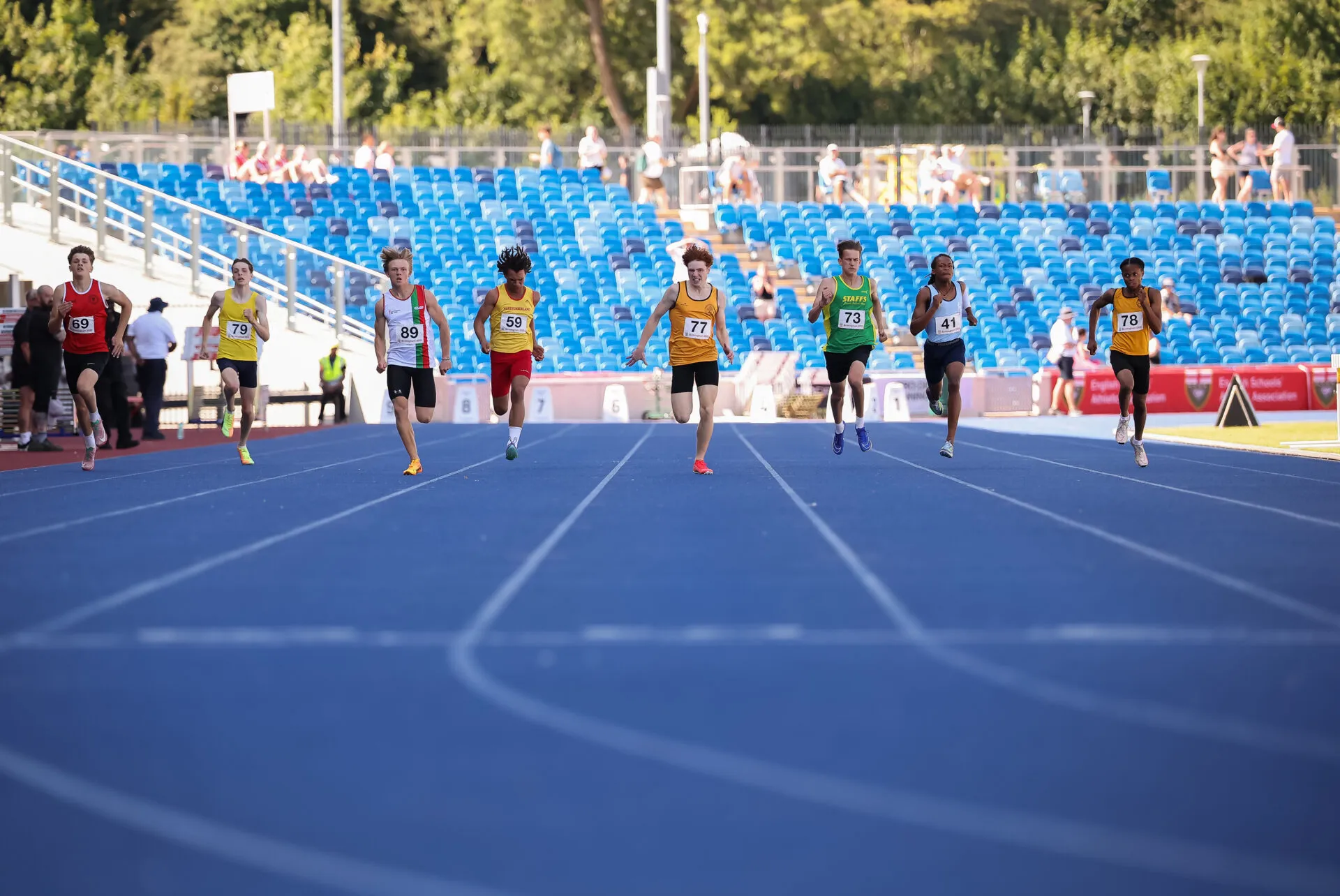
Give your young athlete the chance to experience elite coaching from sprints to middle-distance in Wimbledon with two free SpeedPro trial sessions.
Athletes train in a supportive, high-performance environment, grouped by age, ability and event. Whether they sprint or run middle distance, anything from 100m to 1500m, the coaching is built around what they need next.
- 2 fully coached track sessions with our expert team
- Training tailored by age, ability, and event
- Meet the group and experience our fun culture
- No pressure, just a great opportunity to try it out
Two events, one system
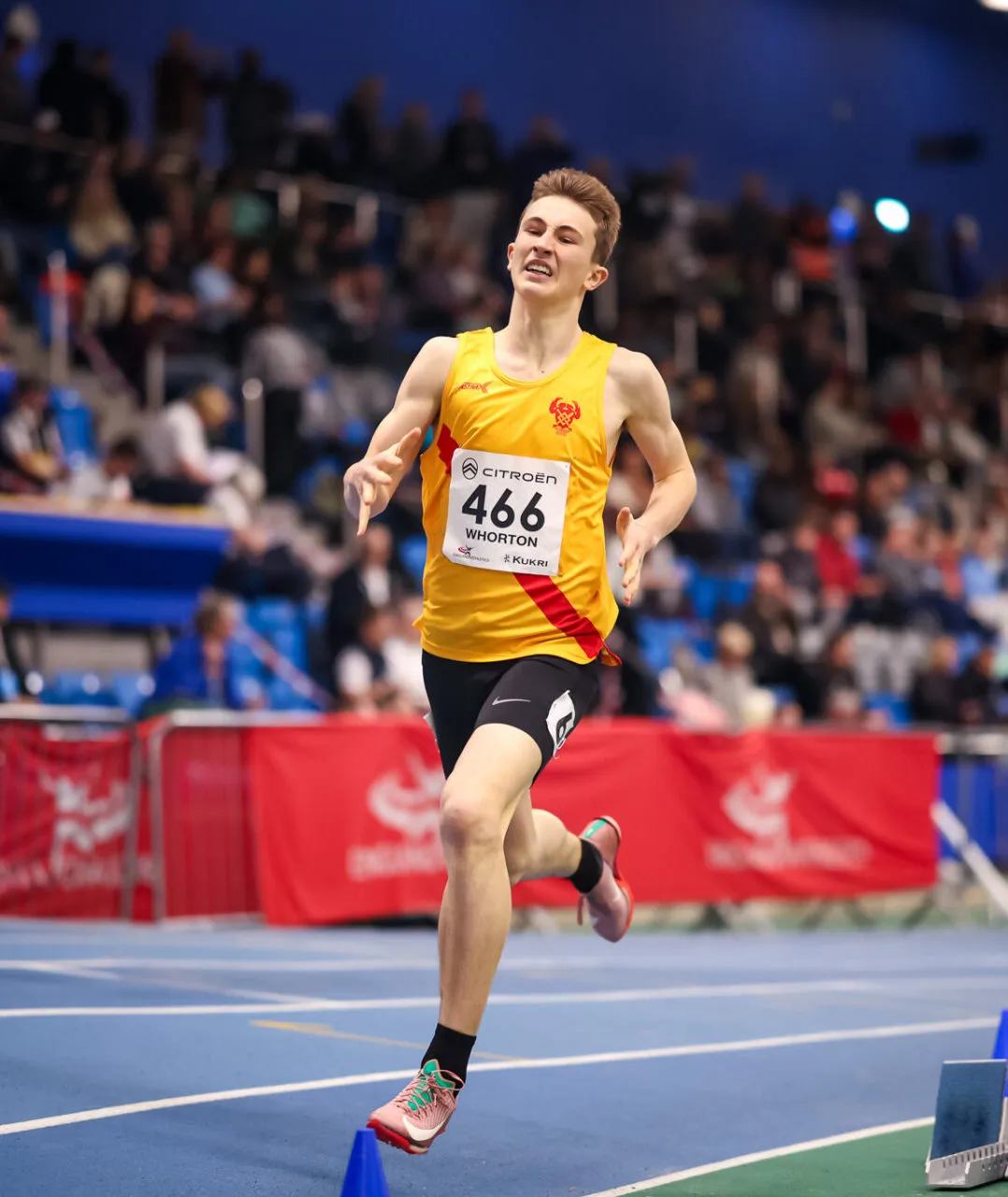
SpeedPro works with junior athletes who want to improve, whether just starting out or already competing. Whether your athlete is a sprinter or middle-distance runner, our proven system helps them progress.
300m. 400m.
Focus on speed, mechanics and acceleration, from block starts and the drive phase through to top-end running and holding form over the closing metres.
More about sprints coaching Middle-distance 800m. 1500m.Focus on pacing, endurance and race execution, building the aerobic base and the judgement to sit in a race, cover a move and finish strongly off the last bend.
More about middle-distance coaching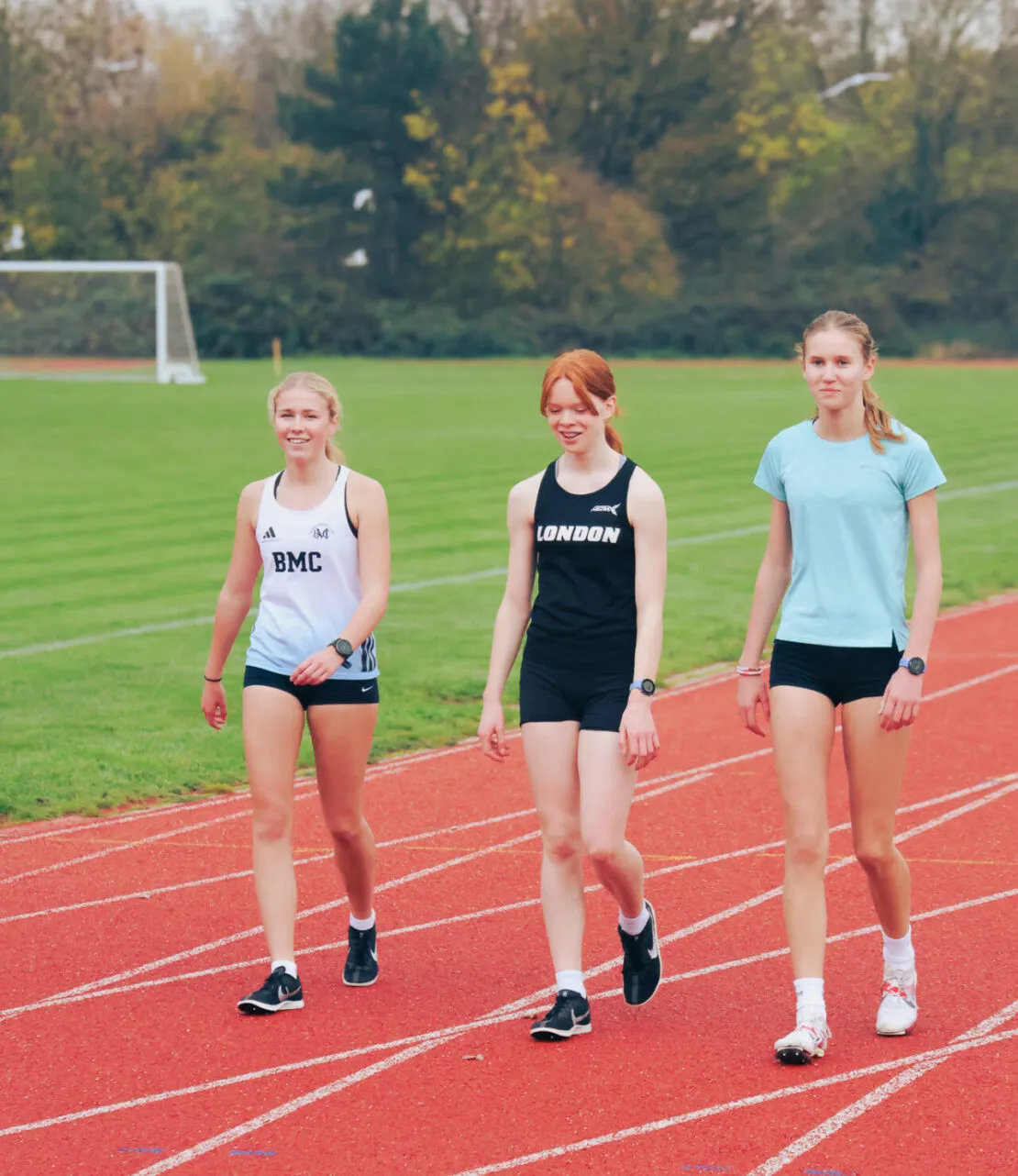
Inside SpeedPro.
Inside SpeedPro gives a clear view of our training group, showing how athletes train week to week, prepare for competition, and develop within a supportive performance environment.
We show the reality of training here: the rhythm of the week, the standards behind each session and the consistency that underpins long-term development. Across a season, training, competition and the moments in between give a clear picture of how performance takes shape.
Explore Inside SpeedProPerformance
Pathway.
Across sprint and middle-distance events, the pathway develops athletes through four stages.
Athletes join at the stage that suits them and move on when they are ready. Each stage sets what is coached, how often they train and what competition looks like.
Stories, results and coaching insight
Athletics stories, SpeedPro athlete achievements, events, and expert training tips for sprinters and middle-distance runners.
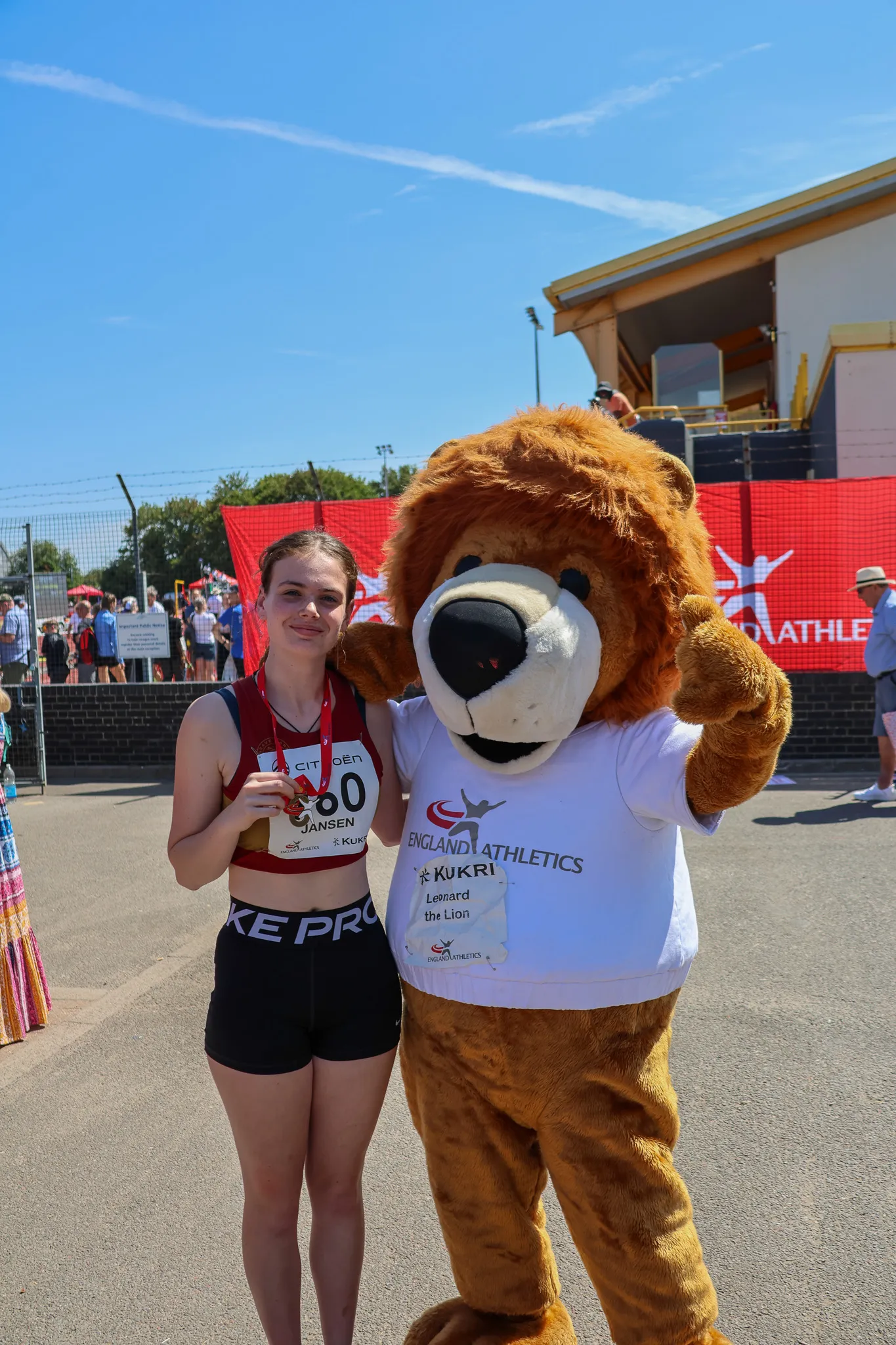
Neva Jansen Discus: A Personal Best and a Bronze at Nationals
Two weeks after English Schools, Neva Jansen travelled to Bedford and threw a personal best of 39.88m to claim bronze in the U18 Discus at the National Age Group Championships.
How Training Changes in Athletics When You Move Up a Level
Neva JansenAthleteRead articleMoving up a level in athletics means more than just more sessions. Neva Jansen explains how training changes, what opportunities open up, and how to make the most of them.
How to Build a Race Model That Holds Under Pressure
Bjorn JansenHead CoachRead articleHaving a race model is one thing. Executing it under championship pressure is another. At SpeedPro, we build race models that athletes can actually trust when it matters most.
Training Structure for Young Athletes: Why It Beats Motivation Alone
Neva JansenAthleteRead articleMotivation gets you to the track. Structure is what makes the work count. Neva Jansen explains why training structure for young athletes is the foundation of real, lasting progress
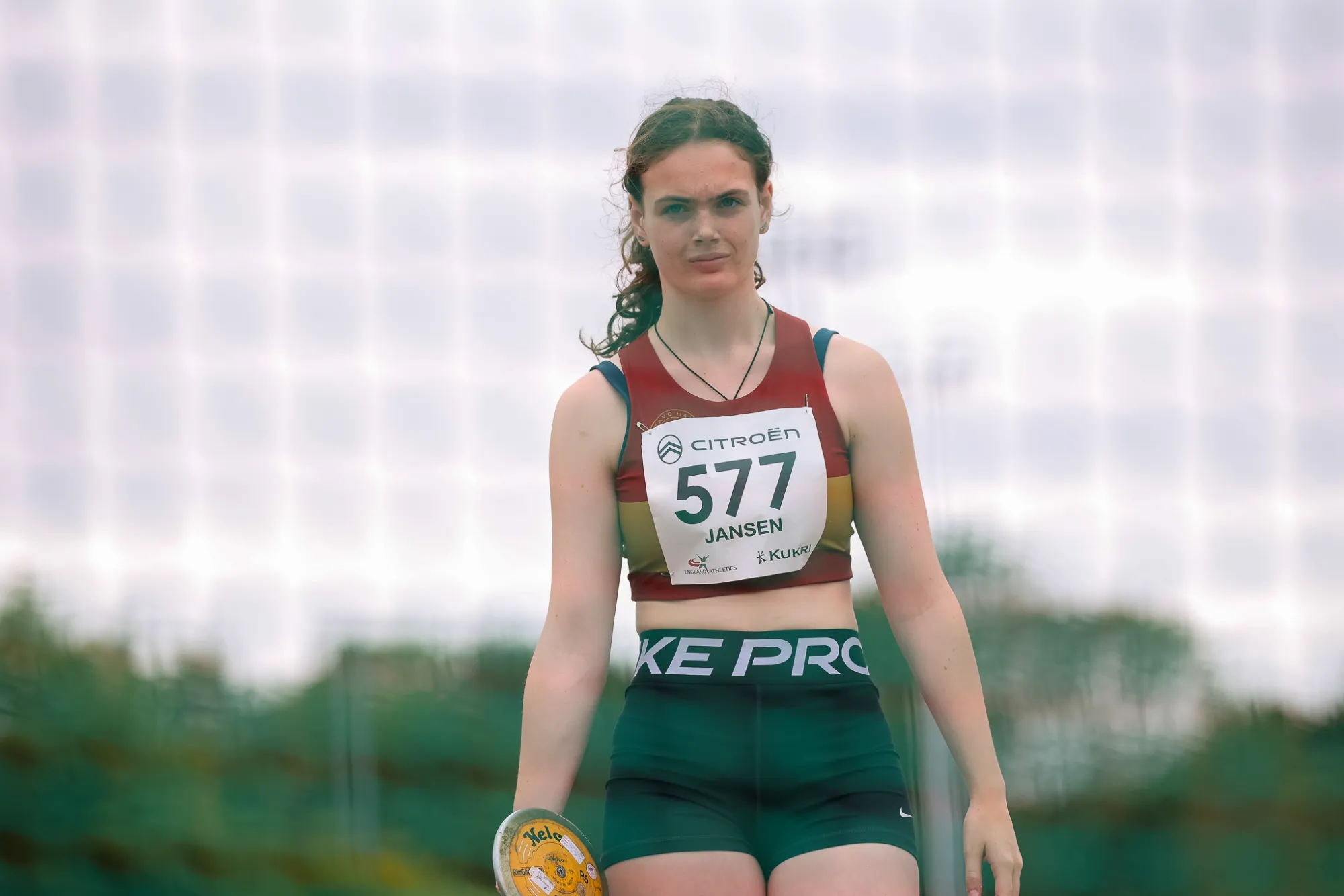
English Schools Championships: Three SpeedPro Athletes on the National Stage
Three SpeedPro athletes stepped onto the national stage at the English Schools Championships, with Thomas Whorton reaching the 800m final, Dillon Warner twice running personal bests in the 300m, and Neva Jansen fighting through to finish sixth in the Senior Girls' Discus.
What Coaches Look for in a Championship-Ready Athlete
Bjorn JansenHead CoachRead articlePhysical fitness is only part of what makes an athlete ready to perform at a championship. Here is what we look for at SpeedPro when assessing whether an athlete is truly prepared to compete.
Athlete Body Awareness: Why Listening to Your Body Matters
Neva JansenAthleteRead articleYoung athlete stretching and warming up, representing developing athlete body awareness
How to Peak for a Championship: Timing Your Best Performance
Bjorn JansenHead CoachRead articlePeaking for a championship is not about doing more in the final weeks. It is about doing the right things at the right time. Here is how we approach it at SpeedPro.
Nothing in this category yet.
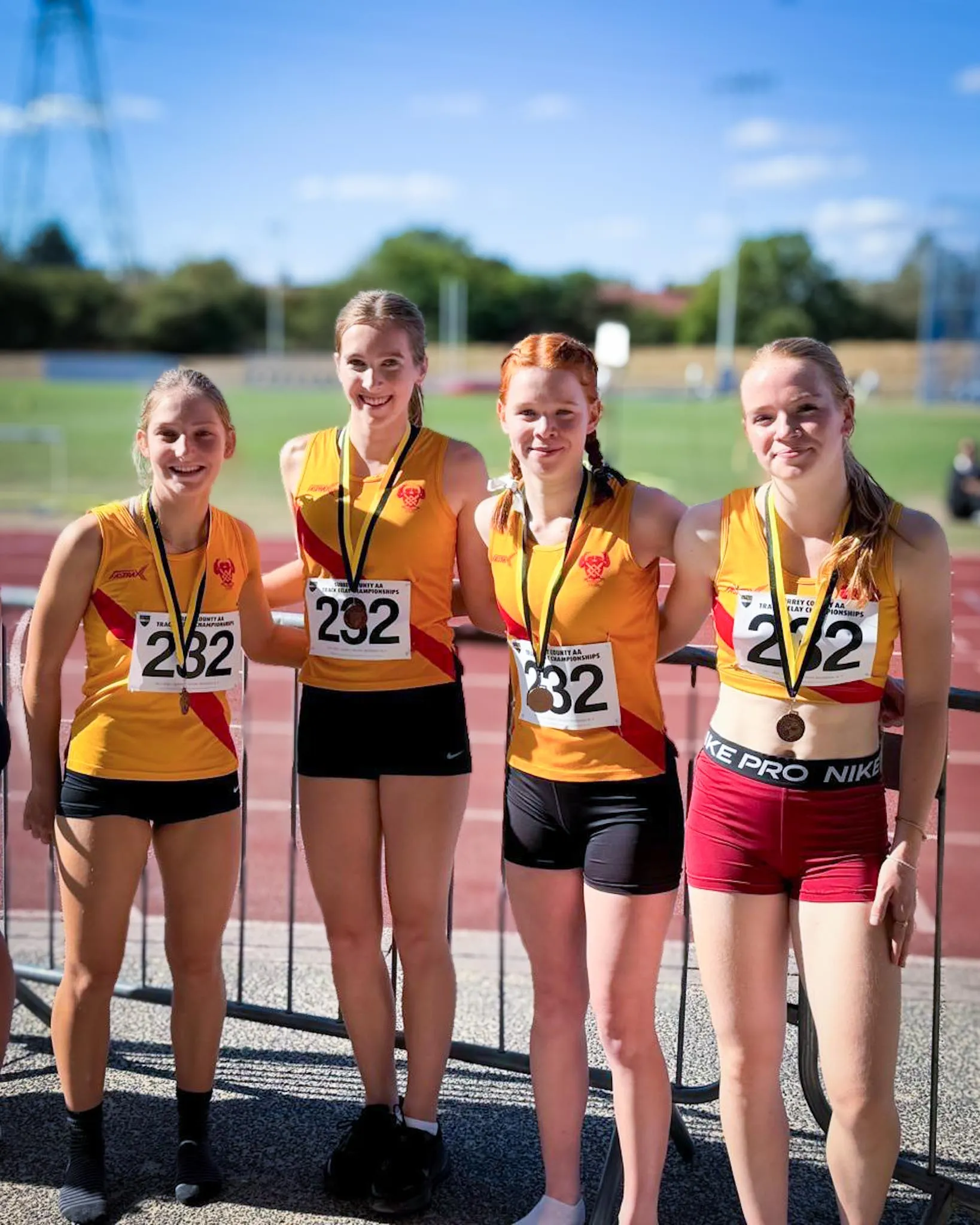
Results that speak for themselves.
National medals, county titles and personal bests, earned by SpeedPro athletes training week by week in Wimbledon.
Register now for a free trial-
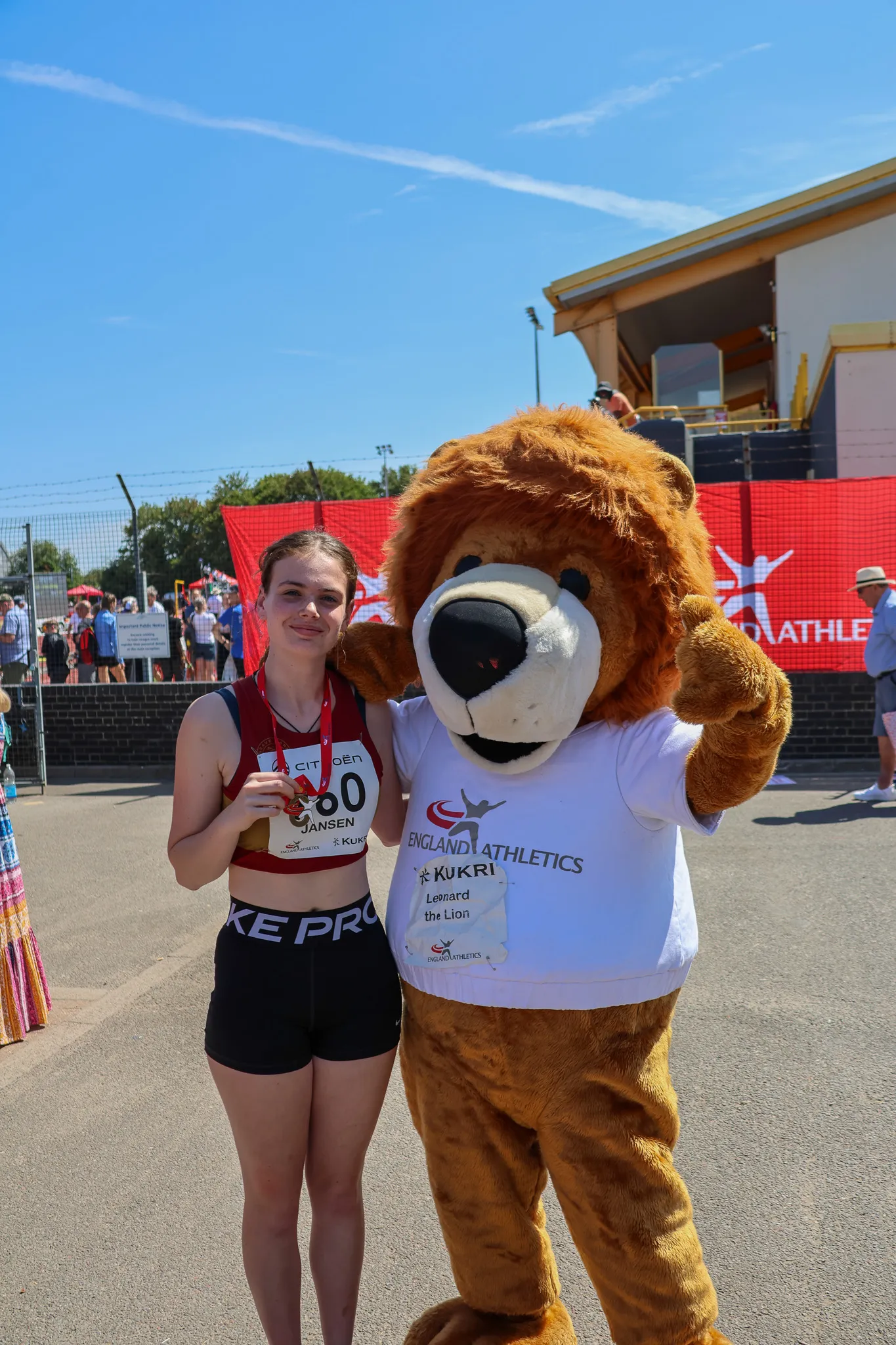
Neva JansenNational bronze and a 39.88m PB, 2026.
-
Thomas WhortonU17 800m national silver, indoors 2026.
-
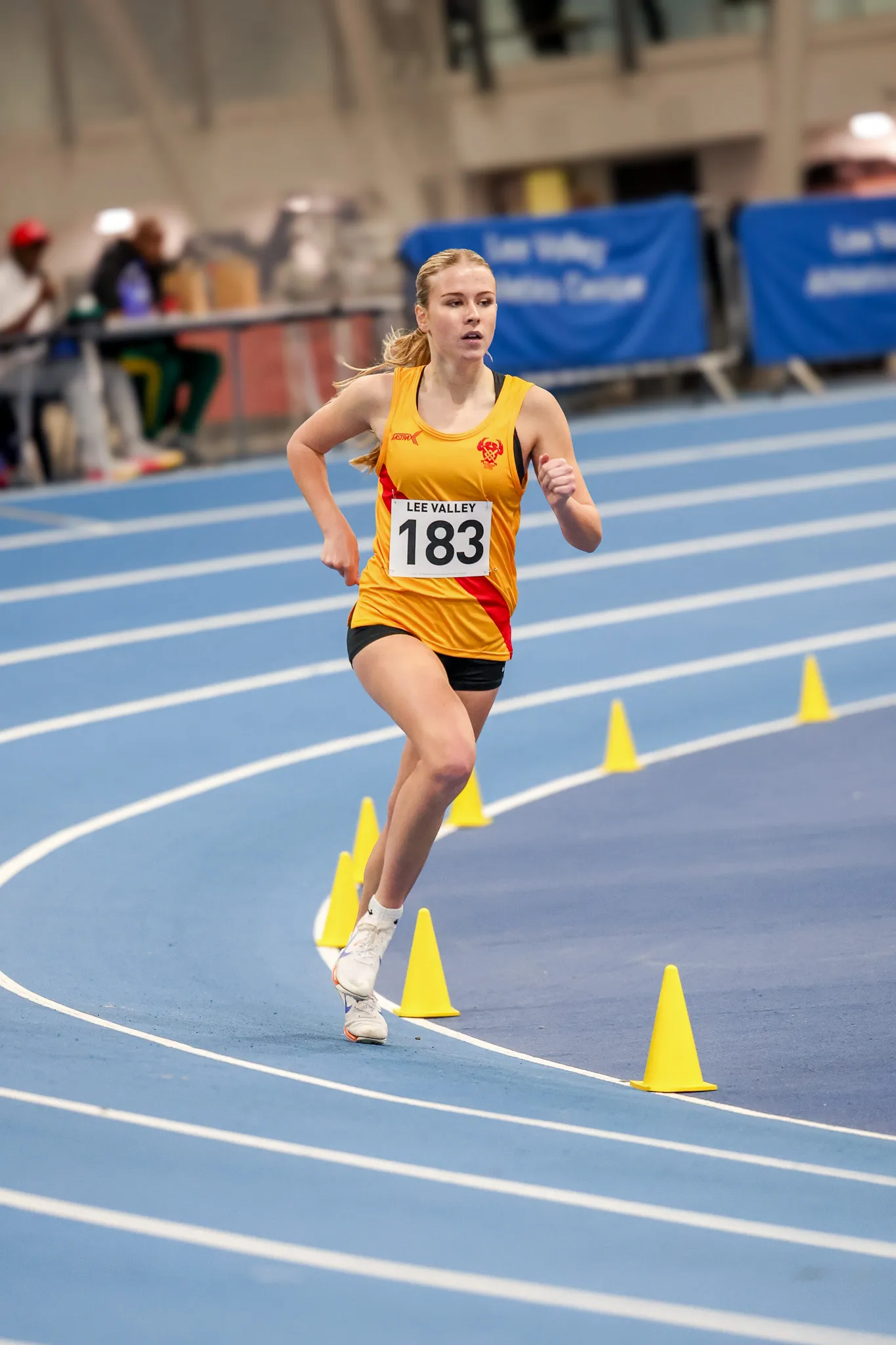
Holly Townsend800m breakthrough since joining SpeedPro.
-
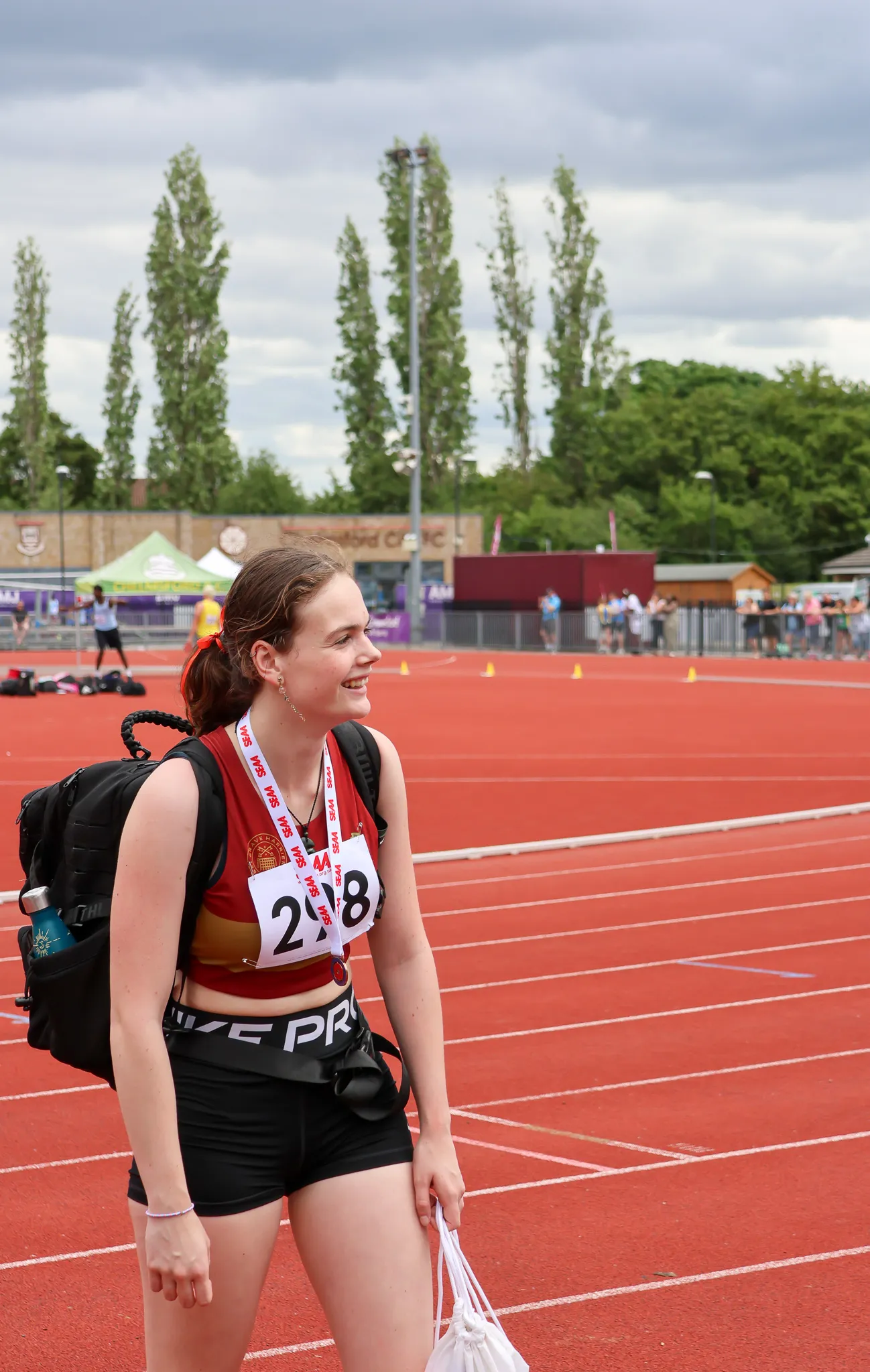
CultureTrain together, compete together.
-
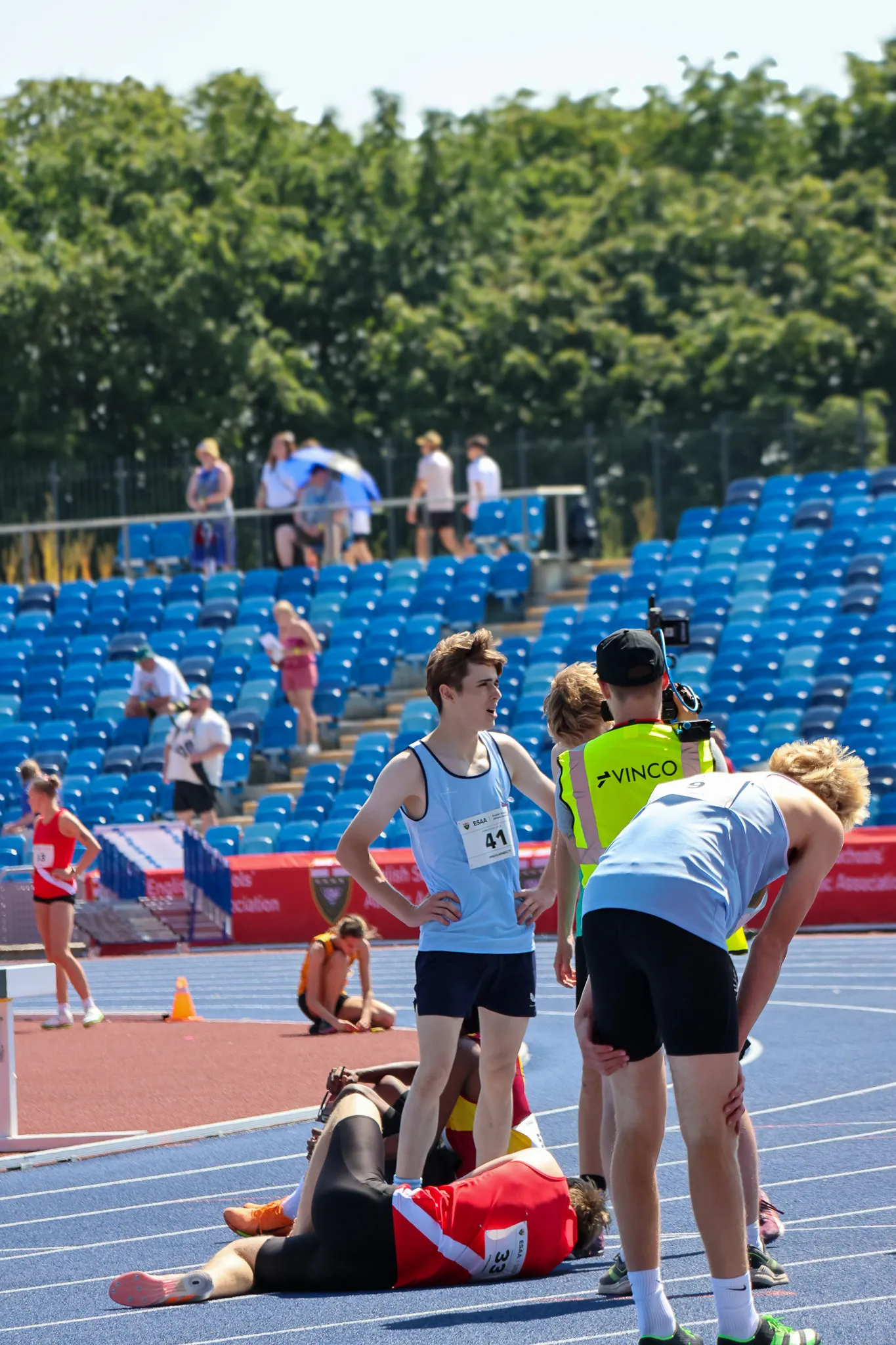
Dillon WarnerEnglish Schools 300m, two personal bests.
-
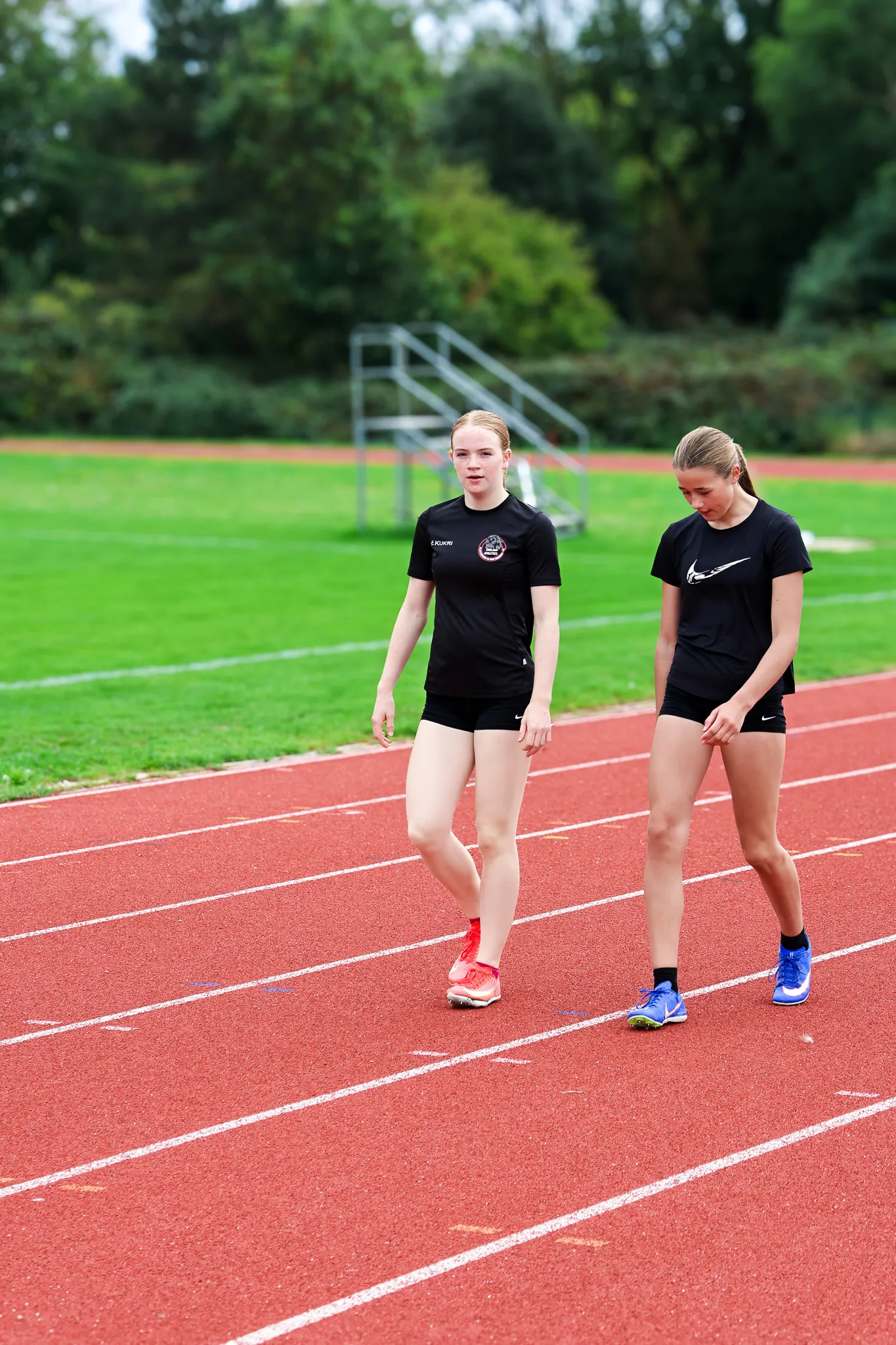
Speed progressionSprints, 100m to 400m.
-
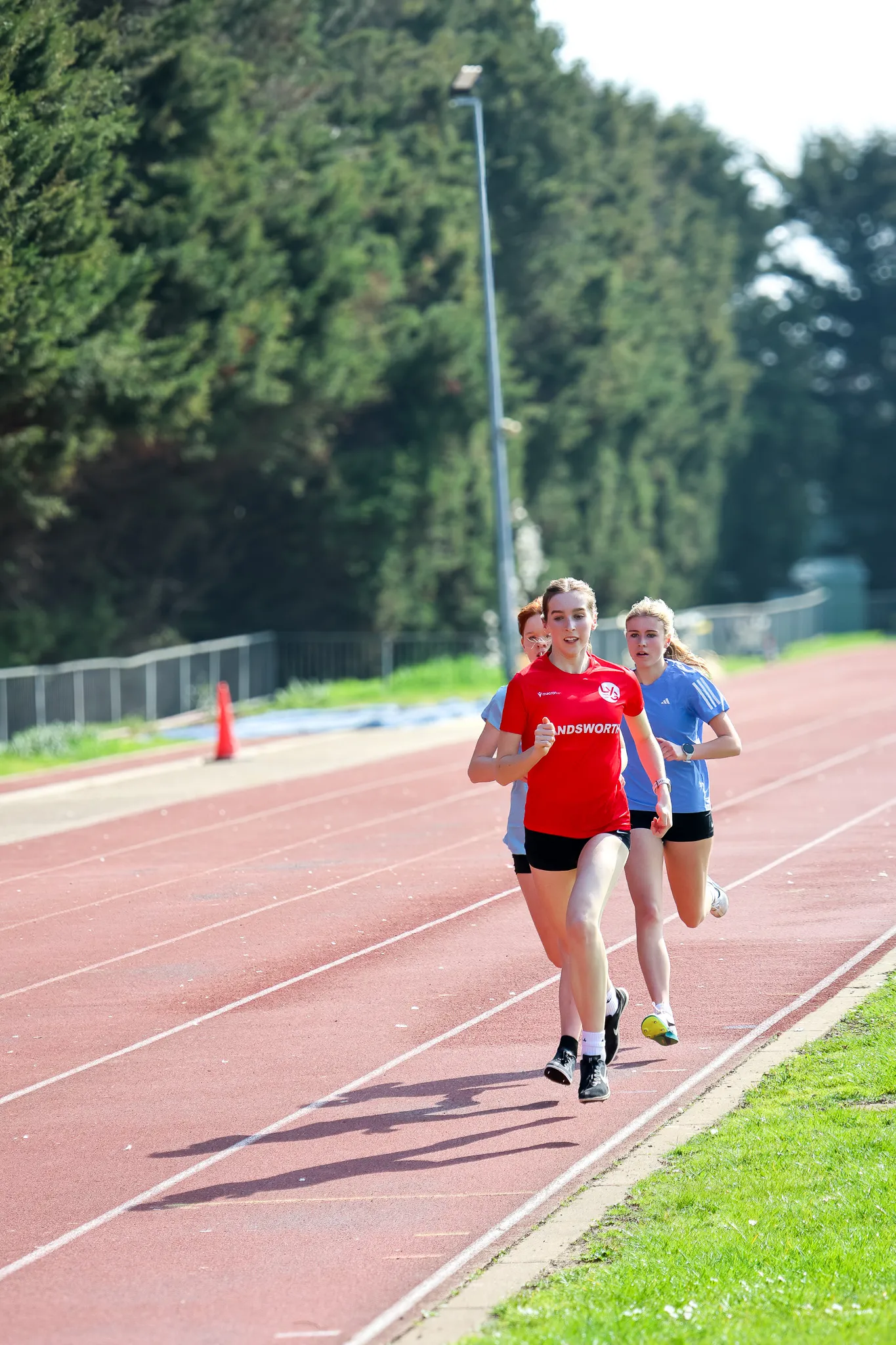
Working togetherMiddle-distance, 800m and 1500m.
-
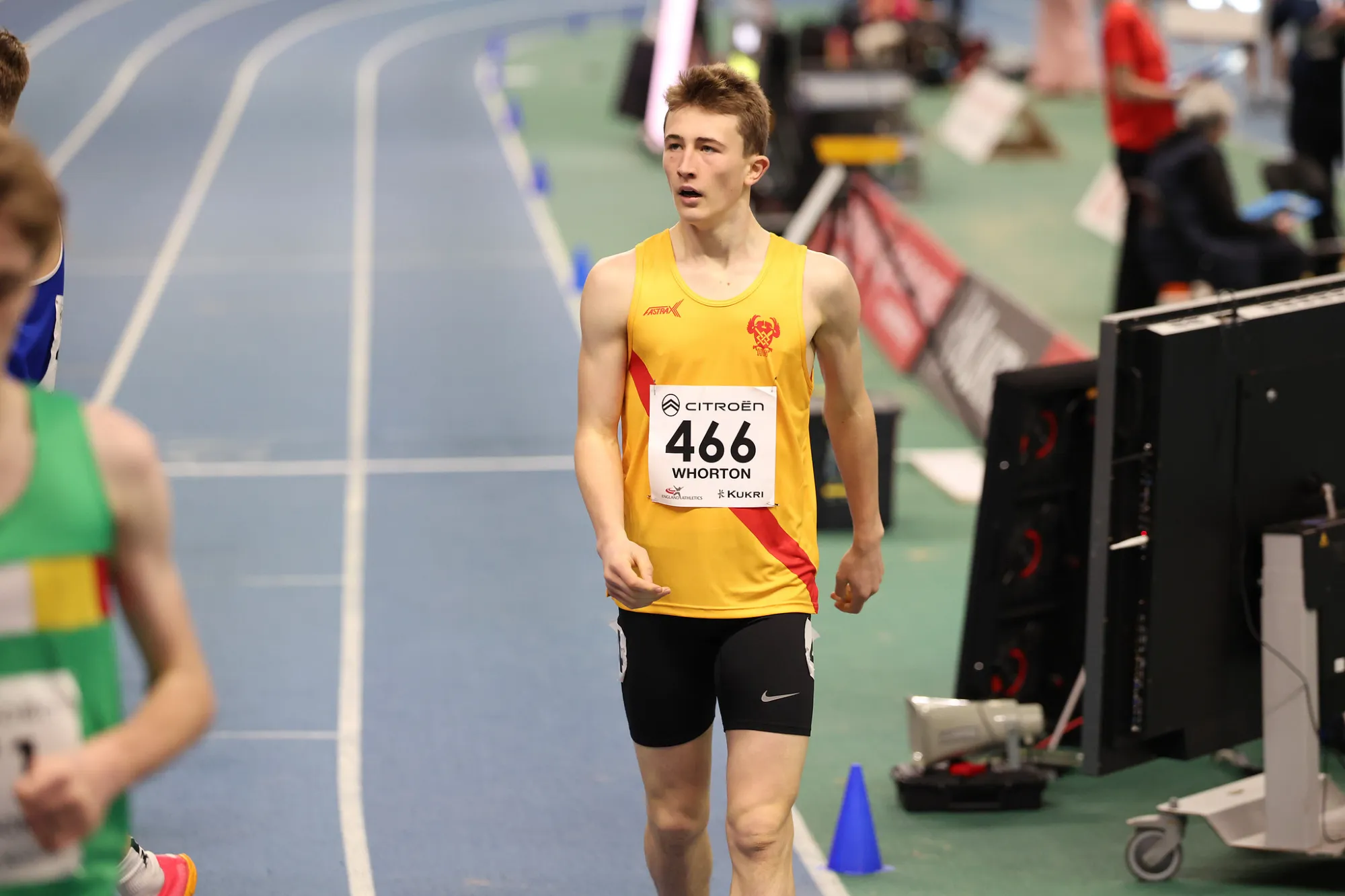
ConfidencePreparation shows on race day.
-
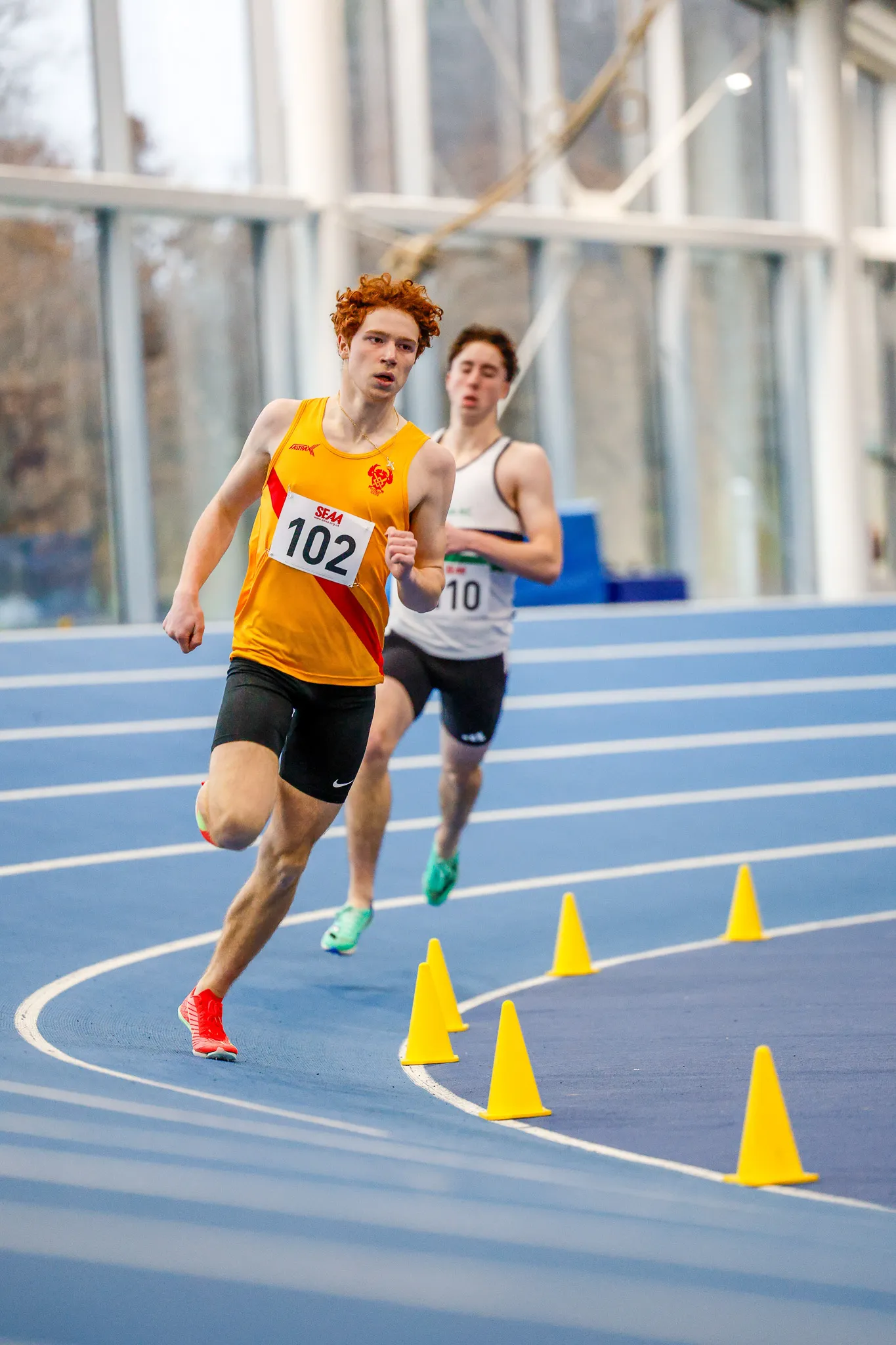
Tommy CrosaraOpening the indoor season over 400m.
-
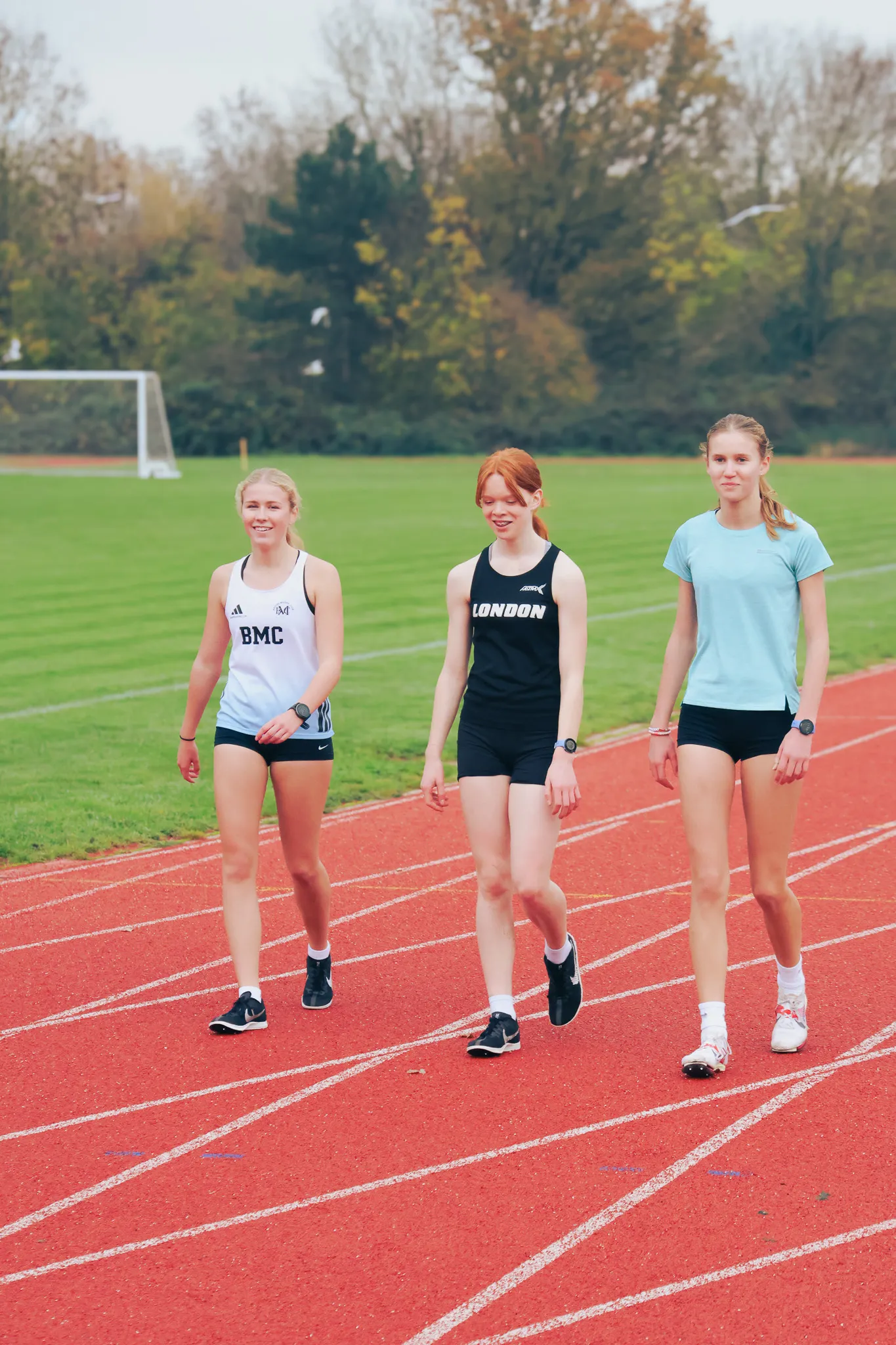
FriendshipsTwo free trial sessions.
-
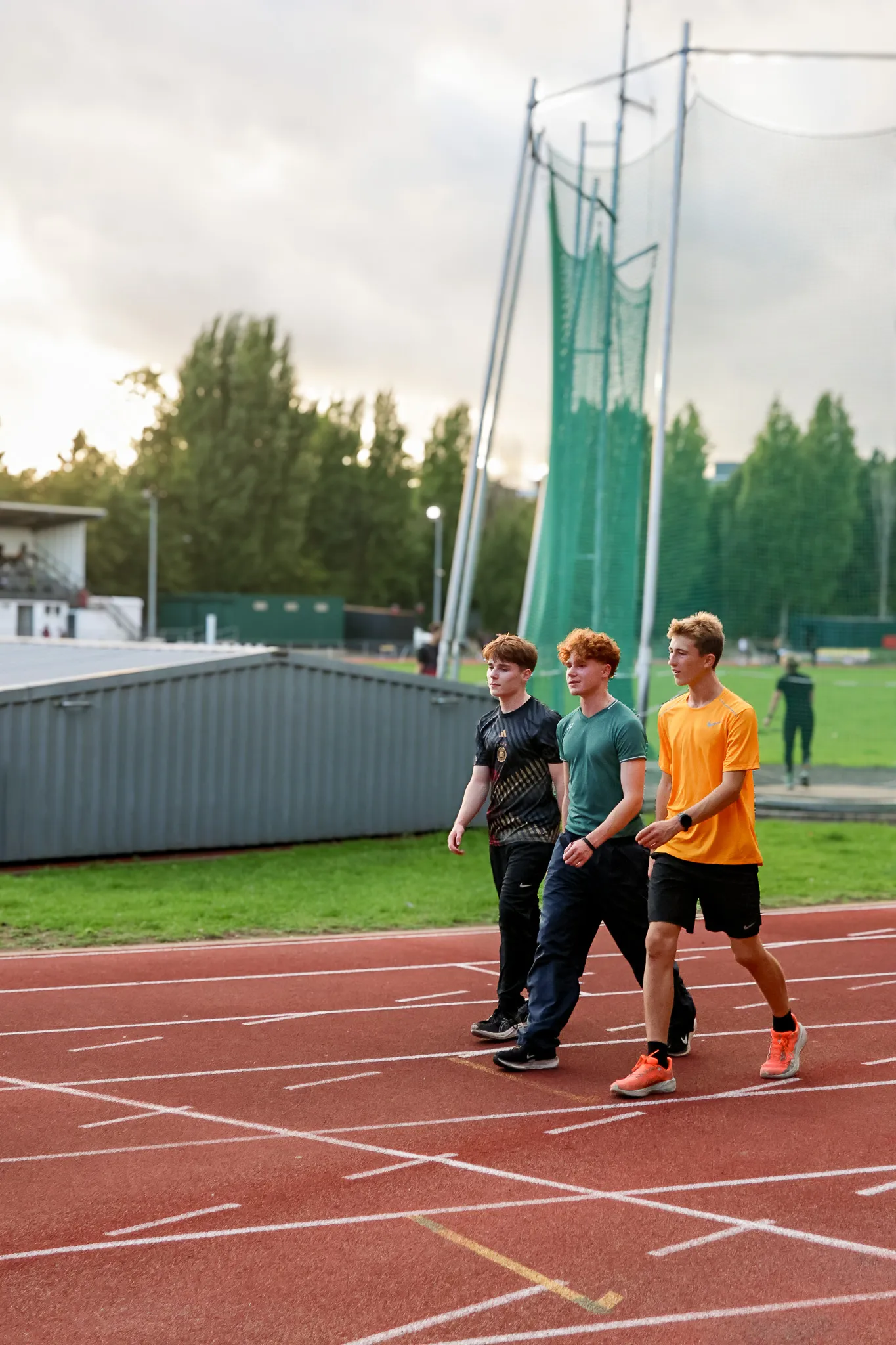
Soren, Tommy and ThomasTuesday and Thursday evenings.
-
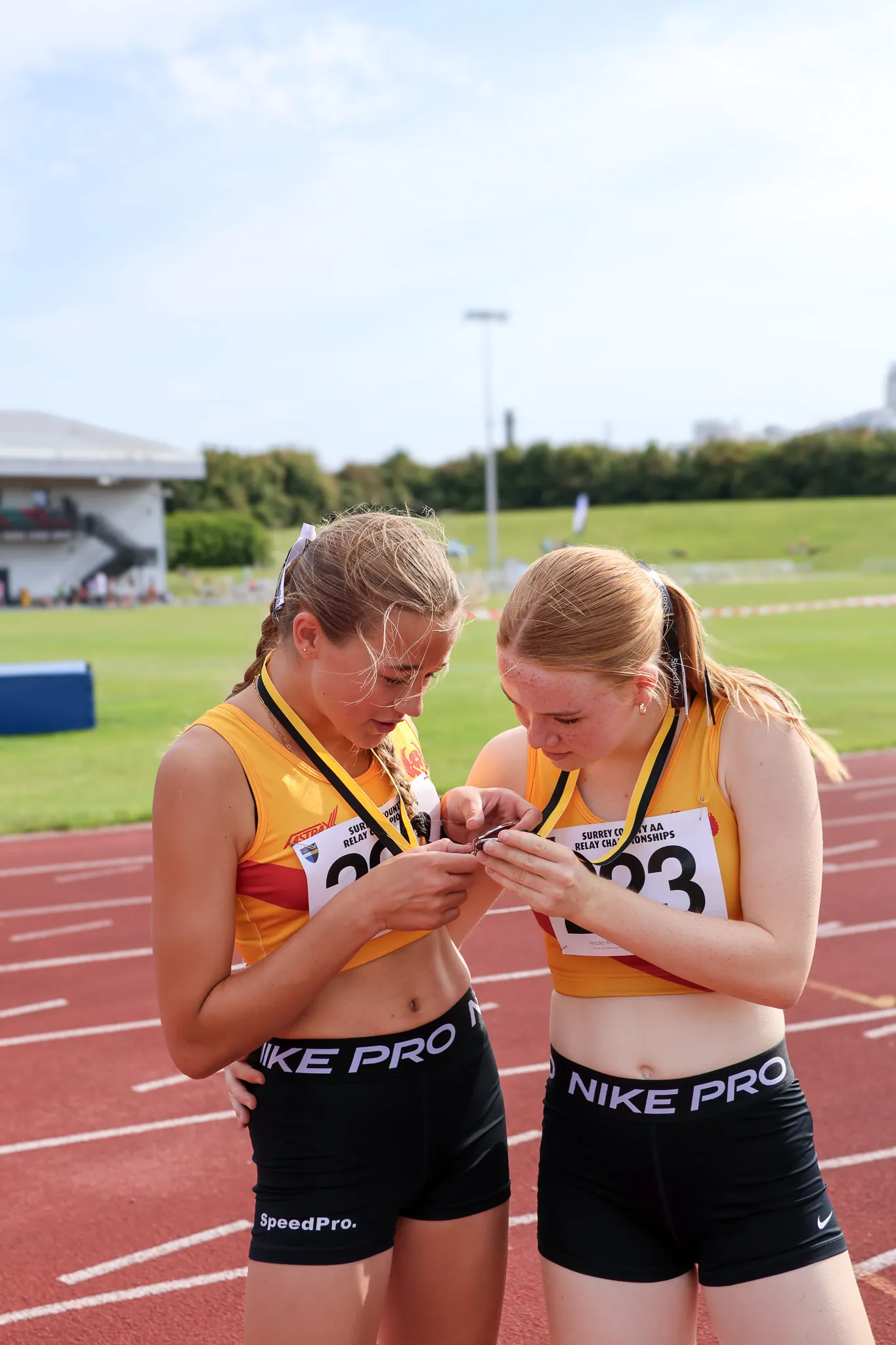
Lucy and AmeliaSurrey County 4 x 300m relay silver.
The map is loaded from Google Maps and sets cookies, so it only loads when you ask for it.
What parents and athletes say
Unlock your potential with expert athletics coaching: learn correct posture, mechanics, and movement for long-term success on the track.
RESULTS that transform
Unlock your potential with expert athletics coaching: learn correct posture, mechanics, and movement for long-term success on the track.